How Often Should You Mow in Humboldt’s Coastal Climate? Lawn Mowing in Eureka, CA
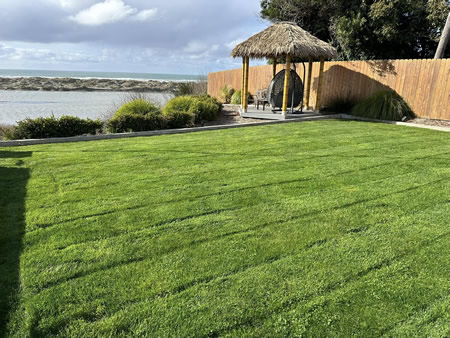
Cool summers, salty breezes, and long wet seasons make grass grow on a different rhythm here. If you want a lawn that looks clean every week without stressing the turf, the answer starts with a schedule built for our coast. Partnering with professional lawn mowing keeps timing, grass height, and cleanup consistent across the year.
Why Growth Is Different On The North Coast
Eureka lawns live with morning fog, dappled light, and soft, often damp soils. That mix boosts spring growth, flattens midsummer surges, and brings another quick push in early fall. Shady blocks in Myrtletown or Pine Hill may stay wet longer than sunnier pockets in Cutten or Bayview, so two homes on the same street can need different mowing intervals.
Most yards here are cool-season blends like fescue and perennial ryegrass. These grasses stay active in mild weather and prefer being kept in a healthy, moderate height range. Our crews watch for moisture, shade, and foot traffic so the lawn never gets stressed between visits.
The Right Mowing Frequency By Season
There is no one calendar for every yard in Eureka, but a coastal pattern holds true for most neighborhoods:
- Spring: weekly visits keep up with fast, cool-season growth and reduce clumping after foggy mornings.
- Early Summer: weekly or 5–7 day service for irrigated or full‑sun lawns; biweekly on slower, shady lawns.
- Late Summer: 7–14 days as growth steadies; irrigated corners near sidewalks may still need weekly touch‑ups.
- Early Fall: tighten back to weekly when cooler nights return and growth picks up again.
- Winter: pause or extend to every 2–4 weeks, mainly for tidiness during warm spells between storms.
Pros in Eureka follow the “one‑third rule” to protect turf density: never remove too much leaf at once. That’s how blades stay green, edges stay crisp, and the lawn rebounds faster after each visit.
Picking The Best Grass Height For Eureka Lawns
In our climate, a slightly taller cut often wins. Taller leaf blades shade the soil, which helps during dry north winds and limits weed pressure in open areas. Shorter cosmetic cuts can look sharp at the curb, but only when moisture and shade are balanced block by block.
Our crews adjust deck height by zone. The breezy face of a Humboldt Hill yard may be cut a touch taller to protect color, while a bright strip along a driveway can be trimmed slightly lower for a clean, even look. The goal is consistent turf density across the whole property, not a single number on a mower dial.
What Weekly Vs. Biweekly Service Looks Like Here
Weekly service fits spring and early fall, plus irrigated summer lawns in sunnier parts of Eureka and Cutten. Biweekly can hold in shaded pockets of Myrtletown, Bayview, or near the greenbelt when growth slows. The key is consistency, not guesswork.
If you’re comparing options, remember that a planned route brings predictable results: set day, tight window, and the same pattern rotation to avoid ruts. You can always explore what full‑service lawn mowing includes to see how edging and cleanup support a longer‑lasting finish between visits.
Homeowners who care most about curb appeal often start with weekly service, then shift to a longer interval as growth eases. For a bigger picture of services and local care, many residents begin their search at lawn mowing in Eureka, CA and schedule a walk‑through to match service to their block and microclimate.
Clues Your Schedule Needs Adjusting
- Clumps or wheel marks after service, especially on shaded sides near fences.
- Seedheads or a shaggy look before the next visit, even with regular watering.
- “Scalped” pale patches on humps or along curb lines where the grade changes.
- Footprints linger on the grass for more than a few minutes in the evening.
Any one of these signs suggests tightening the interval, changing pattern direction, or raising the cut in select zones. The fix is often a simple schedule tweak mapped to sun, shade, and foot traffic on your property.
Coastal Microclimates Across Eureka Neighborhoods
In Old Town and along the waterfront, persistent breeze and salt spray can dry leaf tips faster after a foggy morning. Inland in Freshwater or near Sequoia Park, taller redwoods cast longer shadows, so turf may stay wet until midday. Our team plans routes around these pockets so you get a clean cut when the lawn is actually ready.
Skip mowing when the lawn is saturated. Wet cuts shred leaves, leave clumps, and can track soil onto sidewalks. We aim for windows when the surface has dried, which keeps stripes crisp and blades healthy through the week.
How Professionals Set Patterns And Edges
Pattern rotation prevents the lawn from leaning one way all season and helps spread wheel pressure. Crews alternate directions week to week and soften turns on smaller front yards to avoid scuffing. Edges along sidewalks, driveways, and paver aprons are trimmed to protect joints and keep a clean sightline from the street.
If you want to understand how this all comes together during a visit, this breakdown of what full‑service lawn mowing includes shows how mowing, trimming, edging, and cleanup work in sequence for a finished look.
Spring Vs. Summer: What Changes And Why
Spring is the growth engine here. Longer daylight and cool temps push leaf production, so weekly visits hold the edge and prevent clumps. Summer on the coast brings fog and softer light, which can slow growth in shade yet keep irrigated areas active.
Ask for a weekly route during spring flush if you care about top curb appeal. In July and August, biweekly can work in many shaded yards, but bright or irrigated strips near driveways usually stay on the weekly plan so the whole lawn looks even from the sidewalk.
Pair Mowing With Smart Maintenance
A steady cut looks its best when the lawn has the nutrition to recover between visits. That is why many Eureka homeowners pair mowing with seasonal lawn fertilization. Healthy, well‑fed turf stands up straighter, stripes better, and bounces back faster after kids and pets use the yard.
After clean, consistent mowing, our crews haul or mulch clippings based on conditions and coordinate with bed maintenance so borders stay sharp. Set a consistent day and time window and the whole routine becomes easier on both the lawn and your week.
What Weekly Service Delivers For Busy Schedules
Weekly visits mean faster touch‑ups, smaller clippings, and a more even color across zones that grow at different speeds. For many homes in Cutten, Humboldt Hill, and Bayview, that routine makes the yard feel cared for even when the calendar is packed.
Biweekly can be a smart choice during slow stretches or on deeply shaded blocks. If you see clumps, seedheads, or pale patches showing up between visits, a quick shift back to weekly usually restores the look within one cycle.
Ready For A Yard That Stays Neat Every Week?
If you want a schedule that fits Eureka’s coastal weather and your block’s microclimate, Ciotti Yard Maintenance is ready to help. Call us at 707-797-9710 to plan a season‑smart route, or learn how we tailor visits by neighborhood and growth stage with our lawn mowing service. We build a plan that puts timing, height, striping, edging, and cleanup on autopilot so your lawn looks right every week.

Meet Your Local Lawn Care Experts.Give Us A Call Today!